
Supplemental oxygen patients need SOAR Act protections
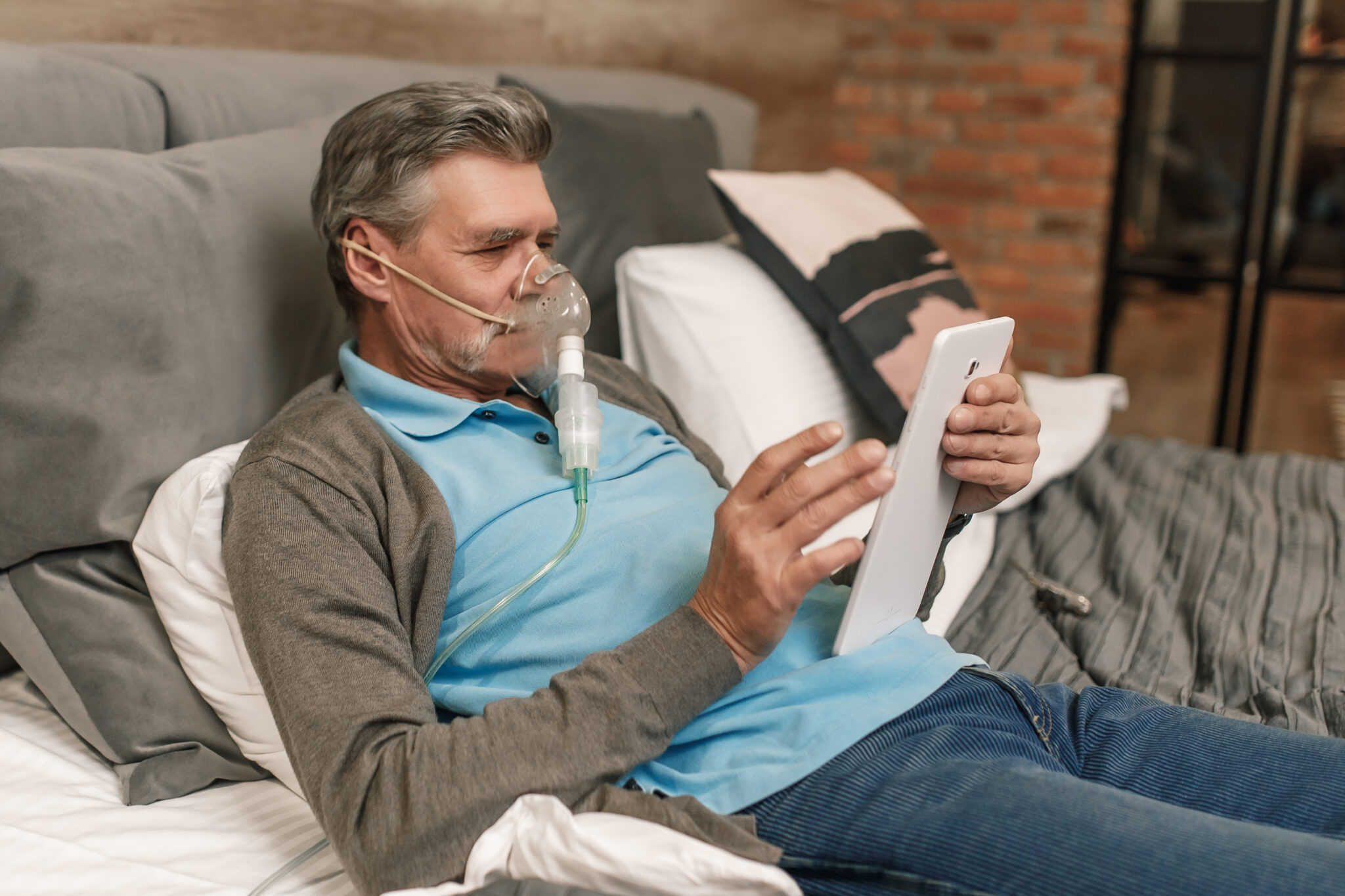
You never think much about your ability to breathe until you can’t. For those of us needing medical assistance from supplemental oxygen, it’s always top of mind. And despite the urgency of need for oxygen users across the country, access to care is not always easy.
Living with primary ciliary dyskinesia (PCD) – a disorder in which cilia do not work to clear lungs of particles and fluid, I should have been on supplemental oxygen for years before it was prescribed to me. Eventually filled with fluid, due to non-functioning cilia, my lungs became laden with bacteria and damaging pseudomonas. Living on oxygen therapy is complicated and stressful and is generally coupled with a life-threatening diagnosis. In these end stages of my disorder, supplemental oxygen kept me alive. I was on oxygen therapy two years before my miraculous double lung transplant.
My sister lived with PCD and depended on oxygen for 10 years before passing at age 50. Watching her experience revealed very apparent gaps in affordability and access to supplemental oxygen, clearly demonstrating how uneven care can be based on your resources and location. Respiratory conditions are complex to manage, and without proper support, knowledge, and access to respiratory care experts, many oxygen users in Louisiana and across the country cannot access the level of care they need to manage their disease while remaining active and independent.
Maintaining bone and cardio strength is a nearly universal critical care component for those battling respiratory illness. In my youth, I was highly active and continued with a lifestyle that included daily cardio and lifting workouts. Even with a focus on being intentionally active, my lung function declined. I was losing the battle.
With 30% lung function, I would use a portable oxygen concentrator at the gym and whenever active. Overnight, I used a large, noisy concentrator. This important equipment allowed me to maintain an acceptable oxygen level – critical for brain and heart function. However, the high cost of purchasing a carrier appropriate for gym use, and an additional battery, due to their short-lasting nature, and the heavy oxygen concentrator increased my monthly expenses. There was additional burden of time, energy, and effort spent by me and my husband understanding how to manage my oxygen needs.
Policymakers must recognize the gravity of access barriers to supplemental oxygen and take steps to reform our current system, improve patient access, and streamline inefficiencies that impede the delivery of care. I urge all Louisiana lawmakers in the U.S. Congress to support the Supplemental Oxygen Access Reform (SOAR) Act (S.1406/H.R.2902), which would ensure Medicare patients get the oxygen equipment and clinical support they need.
I was incredibly blessed to medically qualify and survive a double lung transplant. I’m fortunate to have access to the care I need to work, exercise, and breathe, but many people and families nationwide do not have the resources to navigate our complex supplemental oxygen system, risking worsening their condition or being essentially unable to leave their home or care facility.
People living with respiratory and pulmonary disease want to lead the same active, full lives as anyone else – we just have a few more challenges to contend. By supporting the SOAR Act, lawmakers can help ease those challenges.
By Diana Derbas