
A Respiratory Therapist’s Plea: Why It’s Time to Pass the SOAR Act
By Nancy Colletti | April 23, 2026
As a practicing respiratory therapist for over 40 years and a clinical educator for the past 20 years, I have spent countless hours training patients how to manage their supplemental oxygen usage and devices. I’ve also been a caregiver to my father, who has been on medical oxygen 24 hours a day for the past 10 years due to chronic obstructive pulmonary disease (COPD).
Like many individuals with respiratory needs or complex health conditions, he relies on oxygen to go about his daily life and to share our family’s precious moments. But I, along with many of my colleagues and friends working in pulmonary rehab or treating patients at home, have observed limitations in access to high-flow, portable oxygen for those who medically need it.
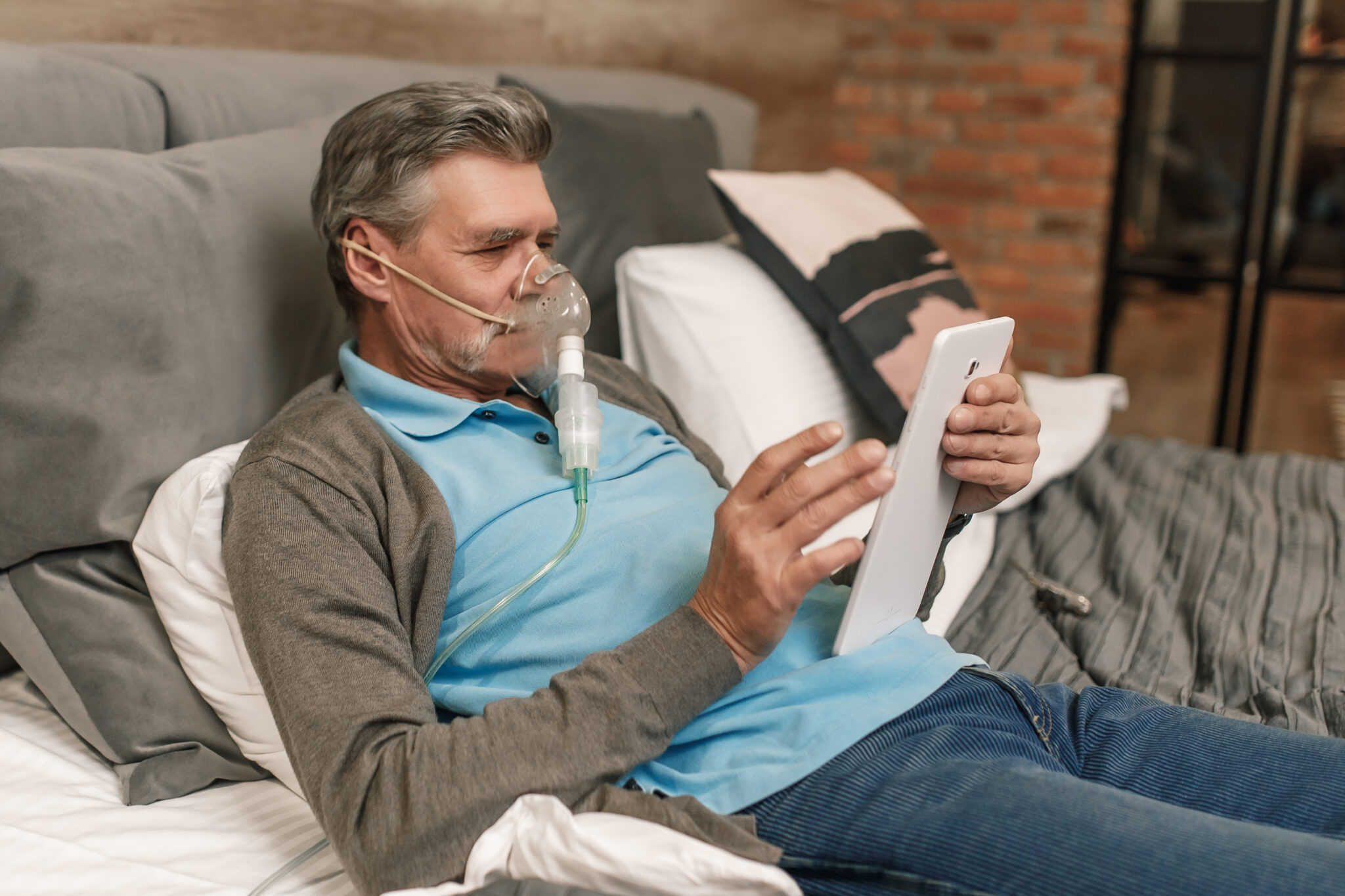
While many patients depend on portable oxygen concentrators to move around safely in their homes, engage in community events, or attend medical appointments, remaining ambulatory and active while on oxygen is a challenge. Patients are often still tethered to a device with limited capacity, so management and timing can be stressful.
For example, my father used a concentrator that quickly drained its battery, making him afraid of running out of air whenever he left the house. In rural areas like Wilmington, power outages during snowstorms or bad weather can prevent charging or maintaining these concentrators, heightening fears, stress, and anxiety about having enough oxygen to breathe.
Portable oxygen concentrators are often described as lightweight; however, many patients still find them physically burdensome to carry for extended periods. For individuals with limited strength, smaller body frames, or those managing additional medical equipment such as infusion pumps, the weight and carrying configuration can be challenging. In addition, cross-body carrying options may not be appropriate for some patients, including breast cancer survivors or individuals with chest or shoulder sensitivities. These factors highlight the need for more accessible device designs.
High-flow, liquid oxygen is medically the best option for many individuals with chronic lung conditions like pulmonary fibrosis, which I’ve seen a rise in throughout my career. This oxygen system is longer-lasting and provides 100% oxygen flow, unlike other concentrators or heavy cylinders. Respiratory patients need to boost their oxygen flow levels during high-exertion activities – even when taking a shower or walking outside to check the mail. But when patients can’t access the modality they need, they are forced to rely on options that can’t always meet their clinical needs. For patients who are weaker and more debilitated and already unsteady, maneuvering heavy oxygen cylinders at home is difficult, let alone outside.
Access to liquid oxygen has become virtually impossible across Ohio because of declining Medicare reimbursement rates and federal policies that undermine patients’ ability to access the care their doctors prescribe. Respiratory therapist services aren’t even reimbursed for providing supplemental oxygen support to patients who need assistance managing their equipment. When patients lack the support to understand how to use, clean, or manage their oxygen equipment, their health and well-being decline.
I urge Ohio’s legislators to help patients who are homebound because they can’t access the oxygen care they need. I’m lucky to know the ins and outs of troubleshooting my dad’s oxygen machine and monitoring changes in symptoms. But for many other Ohioans with chronic lung conditions, they are in urgent need of better support.
The respiratory therapy community is vocally advocating for bipartisan legislation called the Supplemental Oxygen Access Reform Act (H.R. 2902/S. 1406), which would enact reforms and protections to improve access to liquid oxygen and recognize the support patients need from respiratory therapists.
From Columbus to Cincinnati, patients and RTs agree: the SOAR Act is the modern oxygen policy patients need.
Wilmington, Ohio